Following OPEC's decision at the end of November to maintain production at its current level, the Brent spot price of oil closed at $70.02 per barrel, down 39 percent from its closing price of $115.19 on June 19, 2014. Similarly, the WTI spot price fell by 39 percent over the same period, closing at $66.15 at the end of November. What's next? Will the price of oil continue to fall, and if so, how far? Will the price of oil level out? Or will it rebound?
For states in the northern half of the country, particularly the Midwest and Northeast, tough winters are expected. Prolonged freezing temperatures and heavy snowfalls rarely catch anyone off guard in those regions.
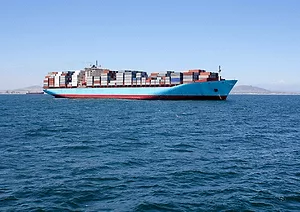
Shipping emissions in ports are substantial, accounting for 18 million tonnes of CO2 emissions, 0.4 million tonnes of NOx, 0.2 million of SOx and 0.03 million tonnes of PM10 in 2011, according to an International Transport Forum's report. Around 85 percent of emissions come from containerships and tankers. Containerships have short port stays, but high emissions during these stays.
It's been a year since Target's data breach and retailers are still vulnerable even as the busiest shopping season kicks into high gear, warn security experts, largely due to a lack of focus on asset management.
Sixty-eight percent of small-business owners surveyed recently expressed optimism for the upcoming holiday season as retail sales are poised to increase nationwide.
Compared to other regions, telematics in Latin America has historically been more focused on risk management. However, some markets like Brazil are beginning to mature while other new markets like Chile, Colombia, Peru and others are not as focused on security, proving that fleet management in Latin America is finally moving to other applications.
Relocation of manufacturing and product sourcing to emerging economies is no longer the gold standard for global businesses, according to a study from the University of Tennessee, Knoxville's, Global Supply Chain Institute.
Argue all you want about the reasons behind gridlock at U.S. West Coast ports, but one conclusion is inescapable: it proves the need for effective supply-chain risk management.