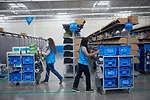
With the holiday shopping season under way, imports at the nation's major retail container ports are expected to be up 4.4 percent this month over the same time last year and should see a slightly larger increase next month, according to the monthly Global Port Tracker report released today by the National Retail Federation and Hackett Associates.
HanesBrands received a B score on the CDP's 2016 climate change report - better performance than the apparel industry average, according to CDP, formerly known as the Carbon Disclosure Project.
Seaborne shipments passed 10 billion tons for the first time ever in 2015, up 2.1 percent from 9.8 billion tons the year before - the slowest pace of growth in the industry since 2009, according to the UNCTAD Review of Maritime Transport 2016. The report says future growth looks uncertain.
Almost all of General Mills' water use occurs in its supply chain, as farmers around the world grow crops for the company's food products. "Ninety-nine percent of our water footprint is upstream of us," says General Mills chief sustainability officer Jerry Lynch. "It is largely about how we grow food and use water to grow food. So it’s a really important piece of the pie - and with water you see the impact very quickly and clearly."
Instagram is making it easier for retailers to promote and sell products through photos. The photo-sharing service is giving 20 retailers the ability to add tags to pictures to convey additional information such as prices and available colors. Brands participating in the trial run include Kate Spade and Warby Parker.
Royal Dutch Shell Plc, the world's second-biggest oil company by market value, thinks demand for oil could peak in as little as five years. Demand will peak before supply, says chief financial officer Simon Henry, and that peak will be driven by efficiency and substitution, more than offsetting the new demand for transport.
Fashion brands are being urged to keep their supply chains in Turkey, despite the widespread risk of Syrian refugees being exploited in supplier factories, according to the Business & Human Rights Resource Centre (BHRRC). There has been "talk of brands shifting their purchasing elsewhere" amid increasing scrutiny and criticism of supply chains in Turkey, the BHRRC says, but responsible sourcing could provide decent work and valuable wages to Turks and Syrians.
The great and the good of world aviation gathered in Montreal last month to do something that seemed impossible even a couple of years ago. They agreed to cap greenhouse gas emissions from international flights. The pact - the first climate change agreement to apply worldwide to a specific sector, one that produces the equivalent annual carbon dioxide output as that of Germany - was greeted with almost universal support.
American consumers prioritize risk-taking, adventure and living an exciting life when it comes to making purchases, according to global research by HSBC. This structural shift among U.S. consumers' purchasing habits is prompting companies to rethink existing marketing and business strategies.
The recent DDoS attacks launched from IoT devices demonstrate that the internet of things spans all parts of IT and that most companies deploying it still need a lot of help. That's the message from ARM, the chip design company behind nearly every smartphone and a big chunk of IoT, at its annual TechCon event last week in Silicon Valley.