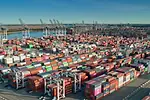




Melinda McLaughlin, vice president and global head of research with Prologis, paints a picture of warehouse demand in the U.S., now and over the next five years.
Jamie Teets, partner with GRJ Health, explains the reasons for the critical shortage of nitrile gloves that has plagued hospitals and healthcare workers since the early weeks of the coronavirus pandemic.
As vaccines roll out more broadly, and countries begin to get the coronavirus under control, attention will turn to the recovery and a return to normal operations. The supply chain will play an integral role in this effort, and will itself emerge in a different shape, with COVID-19 leaving a lasting legacy on many areas of transportation and warehousing.
Jeff Orschell, Americas retail leader with EY, discusses the results of the consultancy’s ongoing series of surveys of retail consumer behavior during the coronavirus pandemic.
Jason Burns, director of corporate development with Dropoff and first vice president of the Customized Logistics & Delivery Association, outlines the challenges that pharmaceutical manufacturers face in maintaining strict temperature controls for delivery of the COVID-19 vaccine.
With the first winter weather of the pandemic bearing down across the U.S., shippers are looking to ensure their supply chains aren't further disrupted by freezing temperatures.
As we approach the one-year mark of the COVID-19 pandemic, supply chains in the U.S. are still struggling to operate confidently and efficiently with essential supplies.
The coronavirus pandemic has uncovered some unpleasant truths about the inability of global supply chains to withstand a disruption of such size and scope.
With the possibility of a COVID-19 vaccine drawing near, manufacturers, logistics companies and healthcare providers must consider the safety of all personnel involved.