Global Gateways




Global Gateways
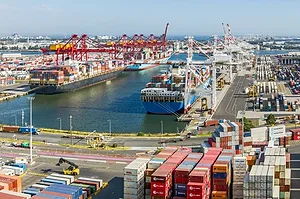
The latest news, analysis, services and systems regarding global seaports and airports and their impact on global supply chains. Today’s companies are transporting and delivering goods to more international customers than ever before through global ports and free and foreign trade zones. As infrastructure around these global gateways continues to evolve, businesses are discovering new ways to increase efficiency and cut costs. Learn how companies around the world are improving supply chain operations through their strategic use of global seaports and airports.
Popular Stories






100 Great Supply Chain Partners 2026: The Secret to Supply Chain Success
VIEW THE LATEST ISSUECase Studies


Visit Our Sponsors |
|
|
|
|
|
|
|
|
|
|
|
|
|
|
|
|
|
|
|
|
|
|
|
|
|
|
|
|
|
|
|
|
|
|
|
|
|
|
|
|
|
|
|
|
|
|
|
|
|
|
|