With all the car-making troubles that are hounding Tesla Inc. these days — from the Model 3 bottlenecks to the furious cash burn — it’s easy to overlook the company’s SolarCity headache.
Escalating tensions between the United States and China have triggered a flurry of U.S. soybean purchases by European buyers, in one of the first signs that trade tariff threats lobbed between the world’s top two economies are disrupting global commodity trade flows.
For decades, the logistics industry has hoped technological advances would provide the Holy Grail of total supply chain visibility in a seamless solution, easy to implement and simple to use.
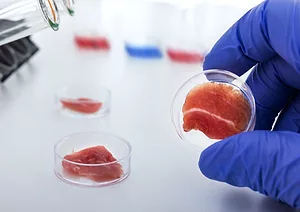
In America’s food-obsessed landscape, the quickest route to a new idea is to look for something already being done — and then make it vegan. Wild Earth Inc., a startup based in Berkeley, California, is doing that to pet food with lab-created proteins. Translated, that means fake meat for Fido.
Since the Modern Slavery Act of 2015, British companies over a certain size have been required to report on slavery in their supply chains. Their statements are both shocking and admirable.
A Dutch journalist has uncovered Royal Dutch Shell documents as old as 1988 that showed the oil company understood the gravity of climate change, the company’s large contribution to it and how hard it would be to stop it.
Trucking companies eager to hire more drivers but facing a slim pipeline of new recruits aren’t finding much to encourage them at the James Rumsey Technical Institute in Martinsburg, W.Va.