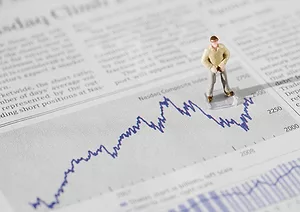
This year Western firms' giant bet on the emerging world will come under more scrutiny. Most multinationals are profitable in emerging markets. American firms, for example, made a 12 percent return on equity in 2012, roughly in line with their global average. But having grown fast, profits are now falling in dollar terms.
Analyst Insight: The industry finds itself in the eye of a perfect storm. Profits are falling from the patent cliff, pressuring companies to adopt new supply chain value propositions. Regulatory compliance and the Affordable Healthcare Act create process and cost pressure. The cold chain manages the Cs: challenges from complexity, connectivity, compliance and continuum of care. And, above all is the shift from fee-based services to outcome-based care and payment. - Rich Sherman, Principal Essentialist, Trissential
Richard Bank, director of the Sustainable Supply Chain Foundation, supplies an update on the organization's efforts to instill voluntary standards for sustainability in the warehouse, as well as other logistics processes.
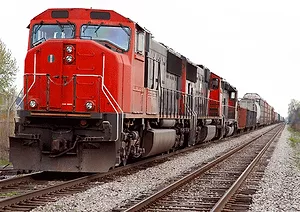
President Obama announced an initiative to improve the fuel efficiency of trucks. That's a lofty goal, but here's an even better idea: Let's make an effort to move more freight by rail and less by road. Trains are far more energy-efficient than trucks "” and they always will be.
Fifty-seven percent of surveyed chief procurement officers (CPOs) said short-term cost reduction is a higher priority than long-term growth in 2014, according to a new survey by Consero Group, which specializes in creating high-level, invitation-only events for senior executives. The results were reported as part of the 2014 Procurement & Strategic Sourcing Data Survey, compiled by Consero Group.
Analyst Insight: Supply chain complexity and turmoil is on the rise due to growing global markets, increasing customer expectations, rising costs and more intense competitive pressures. Progressive companies understand that supply chain performance has a significant impact on the bottom line and shareholder value, and they must reinvent their supply chain networks on a regular basis in order to remain competitive. However, the traditional way of designing supply chain networks with a focus on cost optimization is giving way to more progressive thinking. - John Spain, Executive Vice President, Tompkins International
Analyst Insight: Network planning suffers from an abundance of inappropriate technology, coupled with far too little pragmatic, common sense. Everyone is familiar with the optimization tools that are routinely applied; all are based on long-term shipment forecasts by SKU, by zip code or even finer measurement. Now wait a minute! We can't even forecast next month's demand; how in the world can we forecast demand detail five years in the future? The skills and skepticism of the millennials just may have the solution. - Robert Sabath, Principal Essentialist SCM, Trissential
Analyst Insight: When asked why he robbed banks, Slick Willy answered, "Because that's where the money is!" Where's the money in your company? Capital for new projects is a real challenge, with an appropriation process that is complex, political and arduous, commanding the attention and scrutiny of the executive committee. Yet, planners and schedulers armed with custom spreadsheets routinely make million-dollar working capital decisions every day! - Rich Sherman, Principal Essentialist, Trissential
Lean is one of the biggest management ideas of the past 50 years. No less than Ford's original assembly line, it has transformed how leading companies think about operations - starting in assembly plants and other factory settings and moving more recently into services ranging from retailing and health care to financial services, IT, and even the public sector. Yet despite lean's trajectory, broad influence, and level of general familiarity among senior executives, it would be a mistake to think that it has reached its full potential.