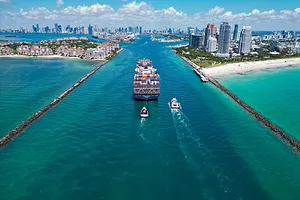
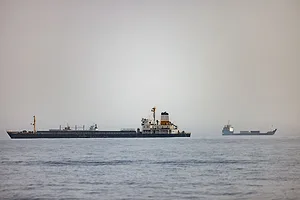
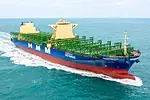
The blockading of ship traffic through the Strait of Hormuz has disrupted the procurement and maintenance of manufacturers' local exhaust ventilation (LEV) systems.
Sections of the span collapsed during a torrential rainstorm in August of 2018, while the bridge was undergoing maintenance work to strengthen its road foundations.
Trump first granted the relief for some 659 products in March, then extended it a month later, in the face of pressure from oil and chemical industry officials.
The IMO’s secretary general told Bloomberg Radio that ships should continue to avoid navigating Hormuz because of the current level of navigational risk.
The pause will apply to all new permitting for so-called hyperscale data centers, which can house 5,000 or more servers and span up to a million square feet.
For years, supply chain organizations approached demand forecasting by looking backward, with historical sales trends, seasonal cycles and prior purchasing behavior forming the foundation for most planning decisions. But in an environment shaped by geopolitical instability, tariffs and volatile consumer demand, many organizations are realizing that the forecasting models of the past simply can’t keep up with the disruptions of today.