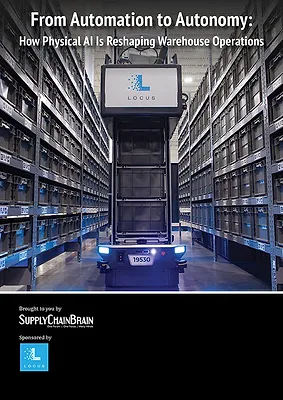



True warehouse autonomy depends not on automation alone, but on how effectively those systems work together within an integrated, intelligent ecosystem.
Warehouse managers can plan for a lot of things. They can forecast seasonal demand, optimize inventory levels and redesign workflows to improve efficiency. But what they can't plan for is every unexpected disruption that occurs throughout a normal workday.
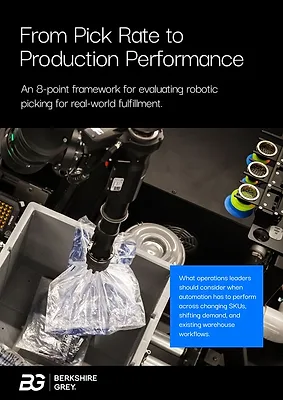
A robotic picking system can post an impressive pick rate and still leave your team handling too many exceptions. For fulfillment leaders, the real test is how much of your operation’s picking volume it can handle reliably. And whether that performance holds as products, packaging, and demand change.
SAP AI Inside the Supply Chain: From Silo to OrchestrationSupply chain leaders are uniquely positioned to drive transformation. Advances in agentic AI have opened a window to reimagine how supply chains operate — moving from reactive firefighting to intelligent, autonomous orchestration.
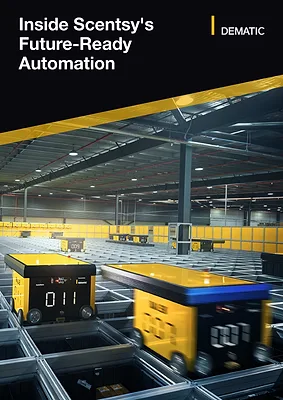
Scentsy is a global leader in fragrance products. As order volumes increased, SKUs expanded, and warehouse space became limited, manual operations could no longer keep pace. Scentsy partnered with Dematic to implement a future-ready solution combining AutoStore™ empowered by Dematic, intelligent software, and a pick-to-cart system to maximize storage capacity, optimize inventory flow, and accelerate e-commerce fulfillment.
Having both automated vehicles and human-operated forklifts within the same facility can cause problems if they're not properly managed, says Nicola Tomatis, CEO of Bluebotics.
Today, every manual lift, restack and repalletizing step adds cost, risk and delay — all while increasing physical strain on a workforce that is already stretched thin.
We'e rapidly entering an era where robots don;t simply operate with human commands from static maps and point-to-point instructions; they do so autonomously — and with each other.
The latest news, analysis, services and solutions regarding lift trucks and automated guided vehicles (AGV) for warehousing and distribution. Today’s companies are moving goods across more suppliers, vendors and customers than ever before, and warehouses are critical points in the overall supply chain. New technologies in lift trucks and AGVs are transforming the way warehouses and distribution centers operate — and allowing them to stay ahead of the competition in their industries. As these solutions continue to evolve, businesses are discovering new ways to increase efficiency and cut costs. Learn how companies around the world are improving supply-chain operations through their strategic use of lift trucks and AGVs in the warehouse.
Subscribe to our Daily Newsletter!
Timely, incisive articles delivered directly to your inbox.