Tim Taylor, senior director of platform product management at Tecsys, discusses how warehouse operators can balance the need for customized solutions with that of access to the latest and most secure applications.
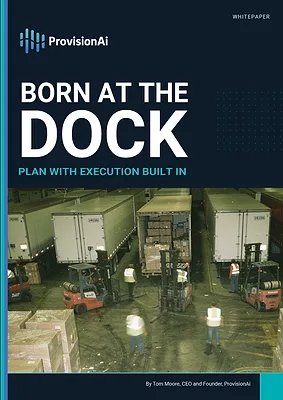
Born at the Dock argues that a supply chain plan is not complete when software approves it; it is complete only when the physical network can execute it and the customer receives the order in full. The whitepaper reframes planning around the dock, where inventory must be found, cases picked, pallets built, shipments staged, trailers loaded legally, carriers dispatched, and destinations prepared to receive.
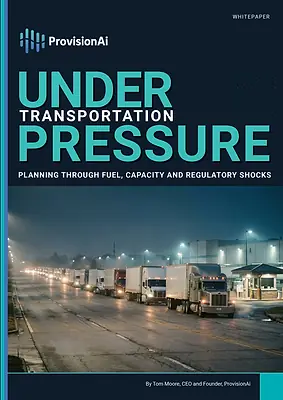
Transportation Under Pressure applies the Born at the Dock standard to a transportation market exposed to volatile fuel prices, tightening carrier capacity, regulatory change, labor constraints, and regional disruption. Its central argument is that shippers cannot control the next external shock, but they can reduce the internal exposure that determines whether that shock becomes a manageable cost increase or an operational crisis.
Scentsy is a global leader in fragrance products. As order volumes increased, SKUs expanded, and warehouse space became limited, manual operations could no longer keep pace. Scentsy partnered with Dematic to implement a future-ready solution combining AutoStore™ empowered by Dematic, intelligent software, and a pick-to-cart system to maximize storage capacity, optimize inventory flow, and accelerate e-commerce fulfillment.
The 2026 Buyer's Guide to Real-Time Shipment Visibility from Tive provides a practical framework for evaluating today's leading shipment visibility technologies and selecting the solution that best fits your organization's needs.
While warehouse automation is a costly upfront investment, it drives long-term savings by reducing facility footprints, lowering energy consumption and minimizing packaging waste.
Everyone's talking about "autonomous" agents. In warehouses today, what's real and what's hype? Answers from Vishal Minocha, vice president of product management with Infor.
For years, supply chain organizations approached demand forecasting by looking backward, with historical sales trends, seasonal cycles and prior purchasing behavior forming the foundation for most planning decisions. But in an environment shaped by geopolitical instability, tariffs and volatile consumer demand, many organizations are realizing that the forecasting models of the past simply can’t keep up with the disruptions of today.
The latest news, analysis, services and solutions regarding warehouse management systems (WMS) and their impact on warehousing and distribution centers. Today’s companies are moving goods across more suppliers, vendors and customers than ever before, and warehouses are critical points in the overall supply chain. New technologies are optimizing productivity, increasing efficiency and cutting costs. Learn how companies around the world are improving supply-chain operations through their strategic use of warehouse management systems and softwares.
Subscribe to our Daily Newsletter!
Timely, incisive articles delivered directly to your inbox.