
Chemicals & Energy






Chemicals & Energy
The latest supply-chain news, analysis, trends and tools for executives in the chemicals and energy industries. Learn how chemical and energy companies and their suppliers around the world are managing the flow of products across all channels of the enterprise. Experts sound off on forecasting and demand planning, supply-chain visibility, logistics outsourcing, inventory optimization, transportation management, warehouse management, supply-chain security, corporate social responsibility and more.
Popular Stories
-

RFID and Machine Vision are Having a Moment
-

Five Current Challenges Preventing Real-Time Visibility in Connected Manufacturing
-

Building a Resilient U.S. Battery Supply Chain
-
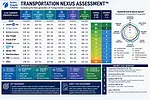
Better Supply Chains Releases Framework for Evaluating TMS Systems
-

From Russian Oil to U.S. Supply Chains: The Hidden Risk of Secondary Tariffs

100 Great Supply Chain Partners 2026: The Secret to Supply Chain Success
VIEW THE LATEST ISSUECase Studies


Visit Our Sponsors |
|
|
|
|
|
|
|
|
|
|
|
|
|
|
|
|
|
|
|
|
|
|
|
|
|
|
|
|
|
|
|
|
|
|
|
|
|
|
|
|
|
|
|
|
|
|
|
|
|
|
|