• Advertise
  • Contact Us
  • Supplier Directory
  • SCB YouTube
  • About Us
  • Login
  • Subscribe
  • Logout
  • My Profile
  • LOGISTICS
    • Air Cargo
    • All Logistics
    • Facility Location Planning
    • Freight Forwarding/Customs Brokerage
    • Global Gateways
    • Global Logistics
    • Last Mile Delivery
    • Logistics Outsourcing
    • LTL/Truckload Services
    • Ocean Transportation
    • Parcel & Express
    • Rail & Intermodal
    • Reverse Logistics
    • Service Parts Management
    • Transportation & Distribution
  • TECHNOLOGY
    • All Technology
    • Artificial Intelligence
    • Cloud & On-Demand Systems
    • Data Management (Big Data/IoT/Blockchain)
    • ERP & Enterprise Systems
    • Forecasting & Demand Planning
    • Global Trade Management
    • Inventory Planning/ Optimization
    • Product Lifecycle Management
    • Robotics
    • Sales & Operations Planning
    • SC Finance & Revenue Management
    • SC Planning & Optimization
    • Supply Chain Visibility
    • Transportation Management
  • GENERAL SCM
    • Business Strategy Alignment
    • Customer Relationship Management
    • Education & Professional Development
    • Global Supply Chain Management
    • Global Trade & Economics
    • Green Energy
    • HR & Labor Management
    • Quality & Metrics
    • Regulation & Compliance
    • Sourcing/Procurement/SRM
    • SC Security & Risk Mgmt
    • Supply Chains in Crisis
    • Sustainability & Corporate Social Responsibility
  • WAREHOUSING
    • All Warehouse Services
    • Conveyors & Sortation
    • Lift Trucks & AGVs
    • Order Management & Fulfillment
    • Packaging
    • RFID, Barcode, Mobility & Voice
    • Warehouse Automation
    • Warehouse Management Systems
  • INDUSTRIES
    • Aerospace & Defense
    • Apparel
    • Automotive
    • Chemicals & Energy
    • Consumer Packaged Goods
    • E-Commerce/Omni-Channel
    • Food & Beverage
    • Healthcare
    • High-Tech/Electronics
    • Industrial Manufacturing
    • Pharmaceutical/Biotech
    • Retail
  • THINK TANK
  • WEBINARS
    • On-Demand Webinars
    • Upcoming Webinars
    • Webinar Library
  • PODCASTS
  • WHITEPAPERS
  • VIDEOS
Home » Blogs » Think Tank » Why IoT Is Key to a Seamless Supply Chain

Think Tank
Think Tank RSS FeedRSS

Why IoT Is Key to a Seamless Supply Chain

Why IoT Is Key to a Seamless Supply Chain
Source: Bloomberg
April 13, 2020
Ajay Rane, SCB Contributor

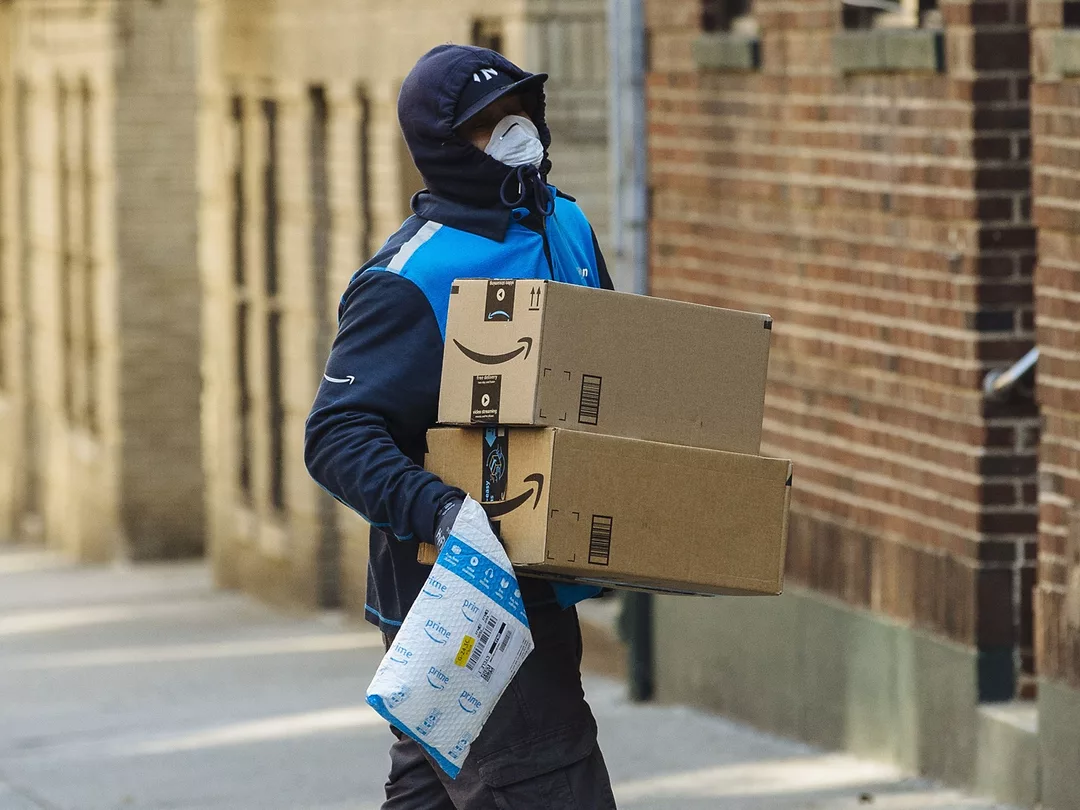
As the coronavirus continues to spread throughout the world, more and more people are staying home in an effort to contain the outbreak. With brick-and-mortar stores shutting down and people being asked to remain indoors, individuals are increasingly resorting to online deliveries.

A recent analysis conducted by Adobe shows that e-commerce purchases of hand sanitizers, gloves, masks and antibacterial sprays surged by 817% during the month of February 2020, and it’s likely that other product categories will follow suit.

To meet new demands brought on by the virus, retailers need to make sure they’re delivering a superior customer experience. It will be defined by proactive communication about the status of shipments, as well as fast delivery.

Using sensors enabled by the internet of things (IoT), retailers can keep tabs on shipment whereabouts and conditions, enabling proactive communications to customers about the status of their orders. Here’s how IoT can aid in tracking and monitoring efforts during this critical time.

Accurate Location Tracking

Because shipments become more critical as people stay home to avoid the virus, customer expectations of on-time delivery are even higher than before. By turning to IoT-enabled devices, organizations can secure insight into shipment whereabouts that will help them keep customers up to date on delivery estimates and periodic location updates as they await their packages.

Data collected by IoT devices can also empower retailers to optimize shipment routes for faster delivery, improving operations and, again, bolstering the customer experience. Identifying warehouse delays, addressing weak links in the supply chain, and driving overall efficiencies are additional benefits of deploying IoT.

With the virus spreading, such information could become lifesaving. Perhaps a supplier notices that on a particular route, its shipments are hitting a snag in the supply chain, causing a delivery delay. By applying machine-learning techniques to data collected using IoT devices, the supplier can avoid that route moving forward, and accelerate the delivery of critical items such as gloves and face masks.

Conditions Monitoring

In addition to tracking shipment location, container conditions must be considered. By collecting, computing and delivering updates on the environmental state of containers, IoT-enabled sensors can instill confidence that the enclosed goods are properly maintained.

This is especially important for providers of perishable or fragile items, as containers move from supplier to distributor to customer. For instance, the failure of a shipment containing pharmaceuticals or food to maintain proper temperature throughout its journey could lead to serious public health issues. Beyond tarnishing the seller’s brand reputation, it can cause potential health risks to customers who may have been depending on goods or medicine to get them through a shelter-in-place.

With IoT-enabled sensors, retailers can get ahead of these issues by securing continuous updates on container conditions, including temperature. Companies can take action to remedy any issues immediately, as well as detect where there are likely to be more broken processes down the road.

Global Connectivity

Tracking and monitoring containers can only be accomplished if IoT devices are connected to a global network and can deliver the insights needed to help retailers and customers stay up to date.

Organizations should consider turning to a 0G network to provide them with global connectivity. A 0G network is a low-power wide-area network that can transfer small amounts of data across long ranges. It differs from other connectivity options in that it transmits data — pertaining to location or temperature, for example — at a lower cost than that of traditional IoT providers, but without sacrificing quality. In addition, because the device consumes smaller amounts of power, battery life is longer and more predictable. This means IoT-enabled devices won’t die during the shipment journey across the globe, so retailers can secure and communicate real-time updates.

With greater visibility up and down the supply chain, organizations can set themselves on the path to operational efficiency, superior customer experiences, and a healthy bottom line. Whether retailers are adjusting to evolving demands stemming from the coronavirus, or trying to maintain their competitive standing, IoT can provide the insights needed to adjust course, while still delivering exceptional service at an affordable price.

Ajay Rane is vice president of business development at Sigfox.

Data Management (Big Data/IoT/Blockchain) Supply Chain Visibility

RELATED CONTENT

RELATED VIDEOS

Subscribe to our Daily Newsletter!

Timely, incisive articles delivered directly to your inbox.

Featured Product

Popular Stories

  • Businessman using AI agent system on laptop computer.

    AI in Supply Chain Can’t Succeed Without Foundational Systems

    Artificial Intelligence
  • A LARGE CYLINDRICAL OBJECT SHRINK-WRAPPED IN WHITE PLASTIC IS LOWERED BY CRANE ONTO A FLAT BED TRUCK ON A DOCK

    AI Boom Has European Buyers Paying Extra to Secure Gas Turbines

    Technology
  • DOMINO EFFECT FINANCIAL MONEY KNOCK-ON CONSEQUENCES iStock-Devrimb-1500012566.jpg

    Podcast | The Tariff Conundrum for Supply Chains: Pass Along, or Absorb?

    Supply Chain Finance & Revenue Management
  • 016_ai_and_data_transformation_in_distribution_v1-(540p).png

    Watch: AI and Data Transformation in Distribution

    Artificial Intelligence
  • TWO WORKERS DISCUSS DATA SHOWN ON COMPUTER SCREENS

    Gartner: Gap in SC AI Talent Cannot Be Closed by Hiring Alone

    Artificial Intelligence

Digital Edition

2026 esg cover main scb q2 2026 cover

SupplyChainBrain 2026 ESG Guide: ESG — The Supply Chain’s Biggest Secret

VIEW THE LATEST ISSUE

Case Studies

  • Recycled Tagging Fasteners: Small Changes Make a Big Impact

  • A GRAPHIC SHOWING MULTIPLE FORMS OF SHIPPING, WITH A HUMAN STANDING AT THE CENTER, TOUCHING A SYMBOLIC MAP OF THE WORLD

    Enhancing High-Value Electronics Shipment Security with Tive's Real-Time Tracking

  • A GRAPHIC OF INTERLACING HONEYCOMBED ELEMENTS REPRESENTING GLOBAL BUSINESS TRANSACTIONS

    Moving Robots Site-to-Site

  • JLL Finds Perfect Warehouse Location, Leading to $15M Grant for Startup

  • Robots Speed Fulfillment to Help Apparel Company Scale for Growth

Visit Our Sponsors

4flow Arkieva Blue Yonder
Carton Cloud CoEnterprise Dassault
Duravant E2Open General Logistics Systems
Hy-Tek iGPS Korber
Lyngsoe Procurability Quinyx
SAP Sikick Systech
S&P Global Mobility TADA TransImpact
US Bank Werner Enterprises WSI
  • More From SCB
    • Featured Content
    • Video Library
    • Think Tank Blog
    • SupplyChainBrain Podcast
    • Whitepapers
    • On-Demand Webinars
    • Upcoming Webinars
  • Digital Offerings
    • Digital Issue
    • Subscribe
    • Manage Email Preferences
    • Newsletters
  • Resources
    • Events Calendar
    • 2026 Event Coverage
    • SCB's Great Supply Chain Partners
    • Supplier Directory
    • Case Study Showcase
    • Supply Chain Innovation Awards
    • 100 Great Partners Form
  • SCB Corporate
    • Advertise on SCB.COM
    • About Us
    • Privacy Policy
    • Contact Us
    • Data Sharing Opt-Out

All content copyright ©2026 Keller International Publishing Corp All rights reserved. No reproduction, transmission or display is permitted without the written permissions of Keller International Publishing Corp

Design, CMS, Hosting & Web Development :: ePublishing