
Cargill Announces Sustainability Overhaul for Cocoa Supply Chain
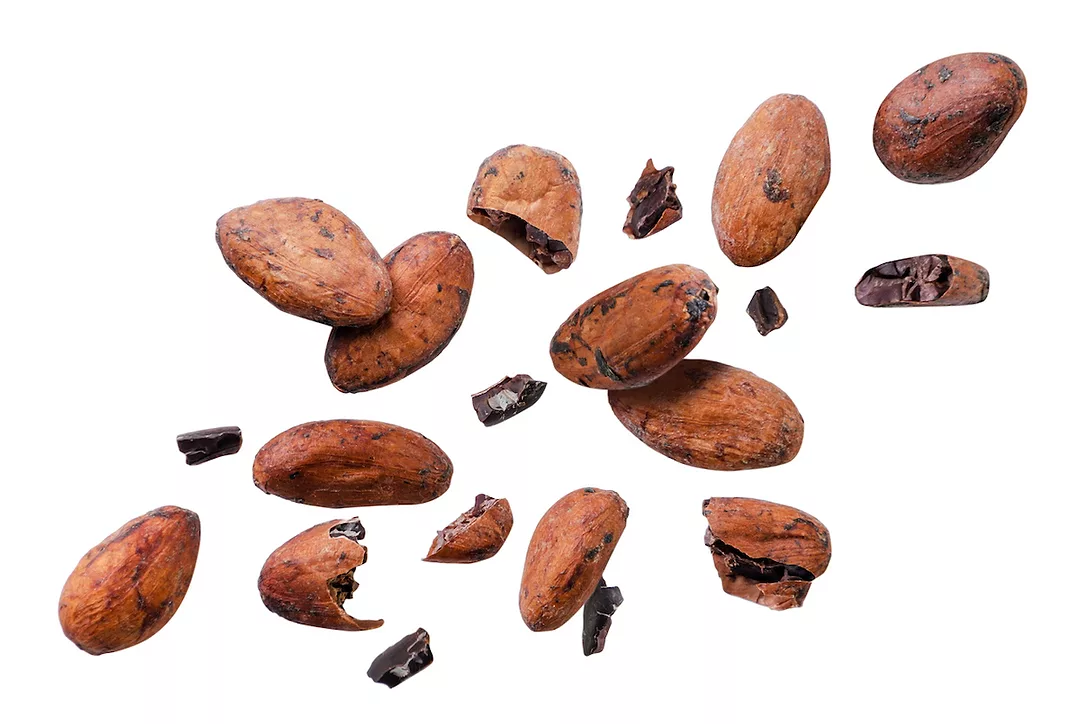
Photo: iStock.com/Inna Tarasenko
Food production giant Cargill has launched a campaign to transform its global cocoa supply chain to cut carbon emissions and eliminate waste.
In a July 1 release, the company detailed plans to reduce its supply chain emissions by 30% per ton of product by 2030, and to cut its operational emissions by 10% by 2025. As part of that push, Cargill said that it's now using once-discarded cocoa shells as fuel for biomass boilers at its facilities in Amsterdam, and has installed solar panels to power production plants in Ghana and warehouses storing cocoa beans in the Netherlands.
“From circular waste reuse to renewable transport and clean energy, we’re showing that climate action can scale, without compromise," said Emiel van Dijk, Cargill's managing director of cocoa in Europe and West Africa.
Cocoa beans stored near Amsterdam are transported by fully electric barges to Wormer in the northern region of the Netherlands, before LNG-fueled trucks move them to Cargill's solar-powered warehouse in Zaandam. Semi-finished cocoa products are then delivered to chocolate processing sites using renewable fuels and short sea shipping. Electricity for vessels and facilities also comes from wind farms Cargill operates in the Netherlands.
Popular Stories
.webp?height=100&t=1781237049&width=150 "016_ai_and_data_transformation_in_distribution_v1-(540p).png")




SupplyChainBrain 2026 ESG Guide: ESG — The Supply Chain’s Biggest Secret
VIEW THE LATEST ISSUECase Studies


Visit Our Sponsors |
|
|
| |
|
|
|
|
|
|
|
|
|
|
|
|
|
|
|
|
|
|
|
|
|
|
|
|
|
|
|
|