A California congresswoman plans to hold a hearing in about a month to explore the national-security risks posed by China’s dominance of the U.S. pharmaceutical supply chain, escalating concerns raised by the Pentagon.
Multiple reports are emerging from Xinjiang about human rights abuses against the indigenous Uyghur population, including mass detentions and the use of forced and child labor in local factories.
Manufacturers, retailers and distributors looking to make better use of working capital have a number of creative options at their disposal. But many prefer simply to slow-pay their suppliers.
Global health regulators sounded a coordinated alarm about the possibility that a stomach drug taken by millions of people could be tainted with the same cancer-causing agent that has sparked a worldwide recall of blood-pressure pills.
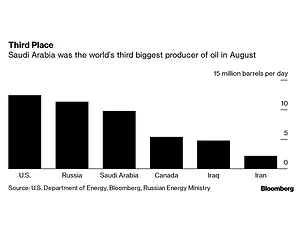
Saudi Arabia is racing to restore oil production after a brazen drone strike on a key Aramco facility slashed its output by half, removing about 5% of world supply.
U.S. manufacturers are lagging their European counterparts in the adoption of creative approaches to supply-chain finance. But three companies are demonstrating the varied ways in which that tool can be effectively deployed.
A draft executive order would target foreign shippers routing deliveries through the U.S. Postal Service — not the two-largest U.S. couriers United Parcel Service Inc. and FedEx Corp.
Deep under gum-tree lined paddocks in southern Australia that delivered a bullion bonanza in the 19th Century, the unexpected promise of a second gold rush is luring a new generation of prospectors from billionaires to global miners and weekend panhandlers.
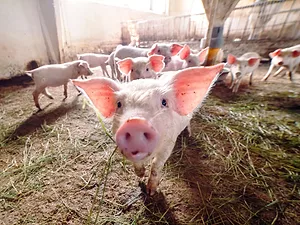
A Chinese outbreak of African swine fever that has killed millions of pigs in the country has also led to falling U.S. supplies of a widely used drug derived from the animals, the anti-clotting drug heparin.