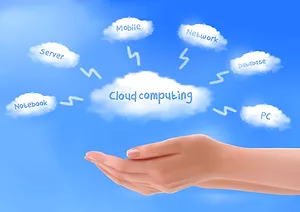
Smart Software Inc. has upgraded its flagship product, SmartForecasts. Release 9.0 is available both as a perpetual license and in a cloud-based version.
Joseph A. Sedlak, who in 1958 founded Joseph A. Sedlak Management Consultants Inc., one of the earliest consultancies in the material handling and warehouse industry, died Sept. 9, 2013, at the age of 90.
Staples, reportedly the world's second-largest internet retailer, has completed the acquisition of Runa, a California software company that helps online retailers increase sales by personalizing the shopping experience.
With advancing technology and the short electronic product lifecycles that come with these innovations, the electronics industry is ever-evolving and changing to meet the needs of consumers globally. While there are a number of best practices to follow and supply chain trends to be aware of when planning for the product development and launches of the next phone, computer, tablet or other electronics device, there are four that top the list, according to the Change in the (Supply) Chain survey that IDC Manufacturing Insights conducts each year on behalf of UPS.
As an industry, global consumer products companies have historically underinvested in plants and manufacturing capabilities. In fact, a significant number of organizations may still be running their operations on equipment and processes that were last updated in the prior millennium. Under these circumstances, throughput can rarely keep pace with current needs. At the same time, many of these same companies have made one or more large acquisitions that slow the supply chain down even more: duplication and redundancy at the plant level; disparate operating and ERP systems that cloud visibility; and manual processes that consumed valuable resources.
Elemica has introduced Elemica Delivery Schedule, an application for helping large industrial manufacturers to cope with multiple demand signals across global organizations.
The demand for speed, re-invention, agility and innovation in business so dramatically increased over the last five years that it has required that CIOs move beyond business improvement to business transformation, according to a survey by Epicor software in conjunction with the UK's The Manufacturer magazine.
ABI Research forecasts that the total number of software-as-a-service or SaaS-based subscriber units will increase from 1.06 million at the end of 2012 to 16.8 million on a global basis by the end of 2018.