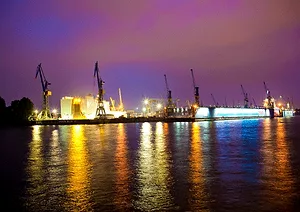
U.S. vessel imports were up 3.7 percent from 2012, which totaled over 18.2 million TEUs (twenty-foot containers) brought into the United States last year. U.S. imports in 2013 started off at a slow start but ended with a surprising and unexpected surge from July through December. Annual TEUs haven't been this high since 2007, which is a good sign for a strong recession rebound in the U.S. trade industry. So far in 2014, the first three weeks of imports in January are already 5.2 percent higher than the same time last year.
Overall, holiday sales were weak, but from a mobile perspective, the results were phenomenal, with mobile traffic reaching 48 percent of all online traffic while mobile sales grew 40 percent to reach 29 percent of online holiday sales, according to data from IBM.
Chemical production is often described, understated as it might be, as a "harsh" operating environment. Machinery, components and workers are subjected to extreme temperatures, pressures and substances as they generate end products that can be used in a multitude of ways.
According to the December 2013 national report of the Institute of Supply Management (ISM), the manufacturing industry is continuing to experience healthy growth.
Over the past five years we have experienced a dramatic change in the role that manufacturing has played as part of the fabric that ties together our global economies. No longer seen as simply "black boxes" in the supply network that simply consumed materials and produced products "” manufacturing has experienced a renaissance whereby investment has returned with an expectation of continued growth into the future. In today's demand-driven reality, the role of the factory has evolved to necessitate greater flexibility and an ability to adapt to real-time sales information, resulting in better customer satisfaction, efficiency and profits.
Decisyon Inc. has introduced a business-intelligence and performance-management platform that unifies social collaboration, analytics, planning and execution across multiple departments.
Cuba on Monday inaugurated a $957m port billed as the most modern in Latin America and crucial to the economic future of the communist-ruled island in a project financed by Brazil and equipped for ships passing through an expanded Panama Canal.