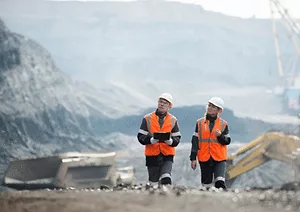
The race is on to supply more of the cobalt needed for batteries in the fast-growing market for electric vehicles - and that means fresh competition for the big players Glencore Plc and the Democratic Republic of Congo.
U.S. producer prices were unchanged in May as energy costs recorded their biggest decline in more than a year, suggesting a moderation in inflation after a rise at the start of the year.
Sometimes there's nowhere to go but up. But the climb back to economic health isn't necessarily easy, as South Africa, once the continent's top economy, is finding out.
First, Tesla surpassed General Motors and Ford Motor Co. in market cap. Then Ford announced cutting 10 percent of its salaried workers before firing CEO Mark Fields.
Apple Inc., which issued the biggest green bond ever sold by a U.S. corporation last year to finance projects fighting global warming, is doing it again.
For decades, economics textbooks argued that suddenly weaker currencies are a boon to growth, because they make a country's exports more competitive or profitable on the global stage, which in turn boosts domestic production and employment. What if that theory no longer holds?
Yes, we've seen some significant job losses in that area - but free-trade deals aren't the main reason. And American manufacturing output is stronger today than it has ever been, according to economists.
From boardrooms and shareholder meetings to conferences and collaboration circles, it seems everyone is talking about the fourth Industrial Revolution (i4.0).