The U.S. Postal Service says that its large financial losses are caused by market forces and governmental constraints but not Amazon.com, in a release of its quarterly statistics that stood in contrast to pointed statements made by President Trump.
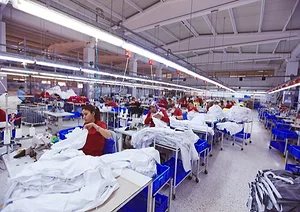
The Australian federal government will force 3,000 big companies to explain how they are stamping out modern slavery, a move welcomed by anti-slavery campaigners.
A relatively high duty exemption for small packages imported into the U.S. is having all kinds of consequences for the flood of goods generated by e-commerce.
A new report by the International Transport Forum at the OECD concludes that Japan’s ambition to become an international bunkering hub for LNG is likely to be successful.
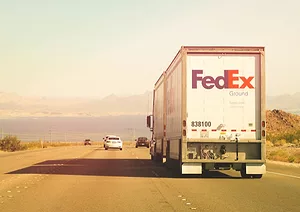
Convinced that blockchain is on the brink of transforming the package-delivery business, FedEx Corp. is testing the technology to track large, higher-value cargo.
Auto safety regulators are raising pressure on a dozen vehicle manufacturers that failed to meet a December deadline to replace millions of defective Takata airbag inflators that could explode in a crash.
President Donald Trump’s long-anticipated decision to pull the U.S. out of the Iran nuclear deal and reimpose sanctions on the Islamic Republic will have a swift effect on some big companies.
Amazon.com Inc is bringing its grocery store without checkout lines to Chicago and San Francisco, the company said in a statement this week, confirming reports it will expand the concept beyond its pilot in Seattle.
In December, the sticker price on the average U.S. automobile hit $38,616, a level not seen since “Tesla” evoked the image of an electrical engineer. Come summer, carmakers will probably break that price record again. It’s true, there are still plenty of cheap wheels to be had in the reasonably priced basement. It’s just that the top of the market is speeding away.