The U.S. and China declared a truce in their trade dispute over the weekend, but that will prove temporary if the world’s two largest economies fail to deliver on their vague commitments to re-balance trade.
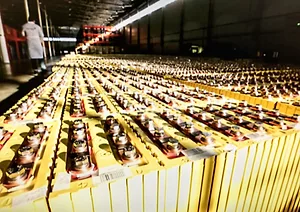
China tightened its grip on the global supply chain for battery raw materials as Tianqi Lithium Corp. struck a deal to take a $4.1bn stake in Chilean rival SQM, the second-largest lithium producer.
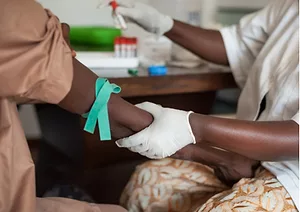
An experimental Ebola vaccine to be deployed in an outbreak in Democratic Republic of Congo has conquered some major scientific hurdles in giving high protection, but it now faces extreme real-world tests including heat, humidity, language barriers and lack of roads.
When photos from the megafires that blazed through New Mexico appeared on the screen, several people gasped. The Cerro Grande fire in 2000 burned 43,000 to 48,000 acres and cost Los Alamos National Laboratory $331m, not including productivity. The Las Conchas fire in 2011 cost $15.7m. Then two years later came the flood.
President Trump has personally pushed U.S. Postmaster General Megan Brennan to double the rate the Postal Service charges Amazon.com and other firms to ship packages, according to three people familiar with their conversations, a dramatic move that probably would cost these companies billions of dollars.
Companies are paying more for supply-chain skills in a hunt for buyers, planners and transportation managers who can help offset growing freight and raw materials costs.
Savannah’s ocean ports feature skyscraping silver cranes that stand at attention on the water’s edge. Container ships stretch the length of four football fields, with 40-foot containers stacked behind them like multicolored Lego bricks.
It’s been just over five years since the collapse of a Bangladeshi factory complex took the lives of 1,135 workers. How can manufacturers and apparel brands ensure that such a tragedy never happens again?