For years, transportation procurement has largely followed a familiar playbook: Shippers issue an annual request for proposals, carriers submit rates, and those contracts are expected to hold steady until the next bidding cycle. Today, that approach has become much harder to sustain.
The ocean carrier brought in $15.8 billion in revenue in Q2, up from $13.1 billion a year earlier, while operating profit nearly doubled year-over-year to $1.6 billion.
The ports will have agreed to increase financial incentives offered to ocean carriers that send their lowest-emitting vessels into Los Angeles and Long Beach.
In peak season, delivery performance is defined by more than on-time rates — it’s also about how effectively exceptions are managed when they inevitably occur.
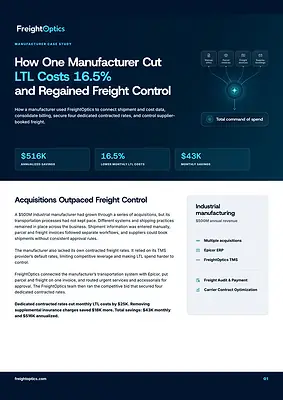
Before FreightOptics, the manufacturer didn’t have its own contracted rates and relied solely on the default rates available through its TMS provider. Shipment data was entered by hand, parcel and freight invoices moved through separate batches, and suppliers booked freight directly. Transportation decisions, carrier costs, and billing were spread across disconnected processes.
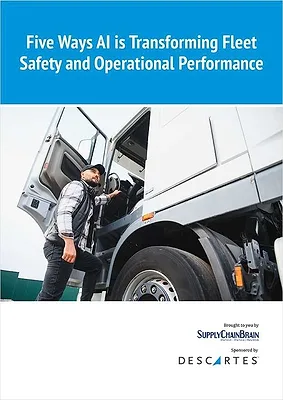
Fleet managers are responsible for improving efficiency and maintaining service levels while managing increasing fleet complexity. As a result, fleet safety has become a more strategic initiative in many businesses. Developments in AI mean businesses are turning to artificial intelligence to proactively manage risk and improve operational outcomes.
AI is moving fast. But is it generating the measurable results you need from your costly investments? Now that the initial hype is fading and the hard reality of execution is setting in, the real opportunity begins.
When e-commerce demand surged during the COVID-19 pandemic, cold chain logistics provider eGourmet Solutions faced a defining test of its operational scalability.
The latest news, analysis, services and systems regarding logistics and freight and their impact on global supply chains. Today’s companies are transporting and delivering perishables and manufactured goods in a more timely and efficient manner than ever before through logistics solutions. New technologies that provide information during local and global shipments are transforming the way companies do business - and allowing them to stay ahead of the competition in their industries. As transportation and distribution services continue to evolve, businesses are discovering new ways to increase efficiency and cut costs. Learn how companies are using logistics and cargo solutions to power their supply chains.
Subscribe to our Daily Newsletter!
Timely, incisive articles delivered directly to your inbox.