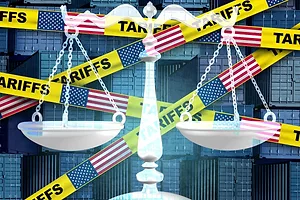
Of the 25 sectors of the U.S. economy identified as most affected by tariffs, 19 are in manufacturing, including automobiles, primary metals, chemicals, computers and electronics, machinery, and textiles.
Out of the roughly 3.5 million truck drivers on the road in the U.S. today, 140,000 could be removed from service under the Trump administration's new ELP requirements.
Goldman-Sachs predicts that AI will drive a 160% increase in data center power demand by 2030, and require an estimated $720 billion in upgrades to global power grids to account for that growth.
"Shifting timelines means shifting volume," Port of LA executive director Gene Seroka said, predicting that lower inventories and higher prices are likely to become the norm headed into the holiday shopping season.
A port operating at 90% of capacity generates a lot of inefficiencies, with increased dwell times that can quickly create delays further down the supply chain.
The USTR also has yet to provide details who would be collecting the fees, or how the money would be directed back into U.S. shipbuilding, said World Shipping Council CEO Joe Kramek.
Until businesses gain a clearer picture of the administration's trade strategy and timeline, the cycle of uncertainty is likely to persist, keeping supply chains fragile, costs unpredictable, and decisions on hold.
When volumes slow at ports, the ripple effects are felt everywhere, from longshoremen getting fewer hours working on docks, to truck drivers who suddenly don't have any cargo to move.