RSS
RSS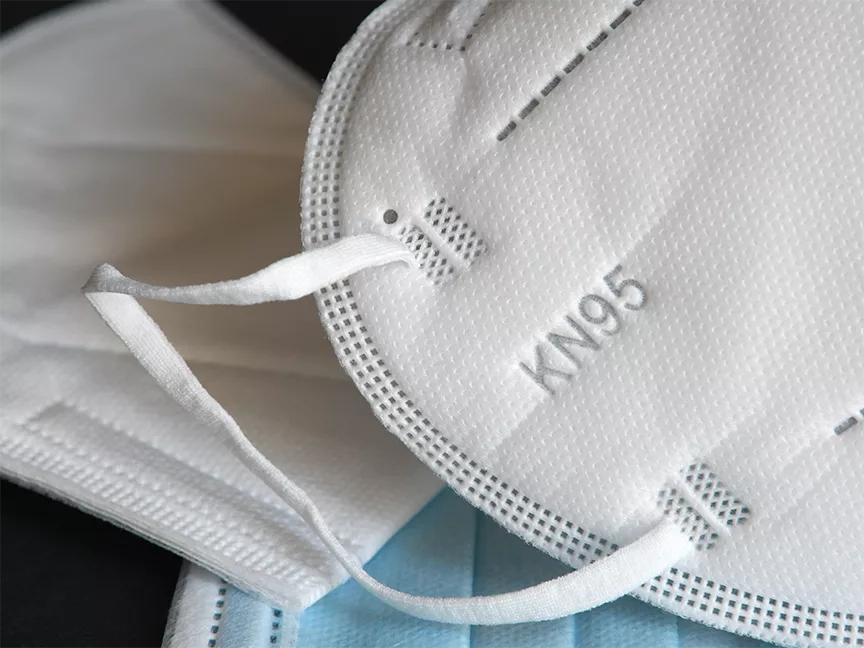

Since the beginning of the COVID-19 pandemic, bad actors have taken advantage of mask shortages and misinformation to sell lower-quality products. Nearly 60% of N95 and KN95 masks sold in the U.S. are fakes — according to the Centers for Disease Control and Prevention — and don’t meet the agency’s standards for air filtration.
Fake masks are a prime example of how difficult it can be for manufacturers to fend off counterfeiters. In 2019 alone, there was an estimated $509 billion worth of counterfeit products accounted for in the global market. Further, customers were aware of the dangers of counterfeit products even before the pandemic: a 2020 survey from IBM and NRF found that 79% of Americans believed it was important for all brands to offer proof of authenticity for their products.
Counterfeiting can happen to any company, especially those with poor supply chain visibility. How can brands and retailers ensure the authenticity of their products? Here’s what we’ve learned in the past two years.
Beware of 'Squatters'
Counterfeiters are most successful when there are no roadblocks to manufacturing fakes, or when brands passively fight back. Rather than waiting for knockoffs of your products to appear on store shelves, begin your research now. If you do find knockoffs of your product online, marketplaces have tools in place to help you remove the counterfeits quickly — and search engines offer tools to help prevent these items from appearing in retargeting ads.
While you’re doing your due diligence, keep your eye out for “cybersquatters.” These counterfeiters will purchase domain names that are common misspellings of your brand name, or sound like your brand name, in hopes that confused consumers will end up on their website — or that you’ll pay to obtain the domain name. If you hold a trademark on your brand name, you may be able to prove the cybersquatter’s malicious intent, but if you don’t, you may be on the hook to pay the squatter. To avoid this, purchase all domains similar to yours as soon as possible, and have them redirect to your main website.
Watch Sales Channels
Conducting an in-depth audit of potential counterfeit websites is a great starting point, but with the vast number of tools at a cybercriminal’s disposal, this won’t be a one-time battle — you’ll need to continuously monitor sales channels for signs of trouble. This can help you head off counterfeiters before they cause too much damage.
It may seem like a good idea to focus your efforts on sites where sales are exclusively in the user’s control, such as eBay, under the guise that it’s easier for fakes to pop up in person-to-person transactions. But in today’s e-commerce-driven economy, it’s just as important to monitor marketplaces such as Amazon or Walmart where you do have a presence. While these sites have stringent guidelines for sellers, it’s possible for fakes to slip through — and because your customers are more likely to trust these marketplaces, they’re less likely to assume they’re purchasing counterfeit goods.
It’s also quite easy for counterfeiters to leverage promotional strategies that give their fake products more credibility. Their tactics are no longer limited to spam emails and pop-ups; many invest in SEO tools and other software to help their fake goods break into the mainstream, perhaps even purchasing ads on specific keywords to have their products show up before yours in search results. Keep an eye out for websites using your product images without your consent, and monitor not only your search rankings, but the sites that appear around and above yours.
Share Information
Counterfeit products strike at a brand’s core: customer trust. If a customer purchases an item thinking it came from your production line, and it’s flawed or it breaks, they will hold it against you. That’s why in the fight against counterfeits, it’s just as important to activate your customers as it is to pursue fake goods internally. Bolstering that last line of defense gives your brand another resource to leverage.
Start by making your proactive efforts transparent. Fighting counterfeit items behind closed doors makes customers less aware and more susceptible, and providing customers the tools to identify knockoffs gives you a million eyes in brick-and-mortar stores and across the internet that you otherwise wouldn’t have. Launch a website, or create a new area on your current website, where you can post notices about identified counterfeit goods and customers can share information on potential knockoffs.
It’s also important to share information about the risk of buying from unauthorized sources. While a customer discovering they’ve bought a knockoff purse may only result in reputational damage, a customer purchasing counterfeit makeup or medicine — or, to highlight recent news, N95/KN95 masks — can impact a customer’s health. Leverage your website or your social channels to ensure notices about potentially dangerous counterfeits have high visibility.
Embrace Technology
Fighting back against counterfeiters can often seem like playing whack-a-mole — just once you’ve removed counterfeit goods from a physical or online marketplace, more fakes show up elsewhere.
The good news is that today’s businesses have a wide array of tools that allow them to be proactive, vigilant, and informative. Tracking and authentication technology offers brands a new level of visibility in the supply chain and allow brands to strategically monitor the entire life cycle of their products:
- Manufacturers can scan product components as they enter the factory to ensure nothing is being lost or stolen during production.
- Retailers can scan incoming cases or pallets to ensure they’re coming from the authentic manufacturer, rather than a counterfeit.
Customers can scan products on the shelf to verify authenticity — as information such as serial numbers and lot numbers cannot be faked by counterfeiters.
Technology will also play a critical role should you have to take counterfeiters to court. By tracking your goods from assembly line to store shelf, you can quickly identify how many goods are counterfeit on which marketplaces, making it easier to remove the fakes and create a record of the counterfeit goods should you need evidence in legal proceedings.
As long as there’s demand for a product, counterfeits are unavoidable. It’s important you don’t wait to identify your vulnerable goods until fakes show up on store shelves. Start now by doing a deep audit of how your products are sold and advertised online and in-store, bring your customers in the loop to help you stay vigilant, and invest in technology that can help you track and authenticate goods across the supply chain. That’s a recipe for success you just can’t fake.
Scott Fletcher is CEO of LocatorX, a global asset tracking and authentication company.
.webp?height=100&t=1781237049&width=150 "016_ai_and_data_transformation_in_distribution_v1-(540p).png")