Analyst Insight: The state of enterprise software market has changed to the point where organizations may be conflicted as to the type of systems to select. ERP, point solutions, third-party integrations and BPM tools have introduced doubt to organizations trying to match their business requirements to IT strategies. Too much choice may increase the quantity of IT failures due to companies implementing the wrong type of software. - Keean Persaud, Managing Director, Eval-Source
Analyst Insight: CRM as we know it has been turned on its head, but its importance has never been greater. In the late 1990s, CRM systems such as Onyx and Seibel were state of the art and were built to better organize and capture the plethora of data that sales teams were creating. Through the internet, the ability to share data with large and diverse teams was unprecedented. Unfortunately, digital has changed this. CRM is no longer robust enough for today's demands, but its core value has never been more important. - Guy F. Courtin, Vice President & Principal Analyst, Constellation Research
Only 18 percent of CEOs say they have eliminated operational silos and are delivering seamless omnichannel shopping experiences for their customers. This means that the majority of retailers surveyed are still operating in silos, which is taking a toll on retailers' profitability and ability to create a seamless shopping experience for customers.
If the customer is "at the center of everything," so, too, should be a company's system for managing customer relationships. In other words, customer relationship management software needs to be more than just a way to handle queries about products or fielding feedback from clients.
Nearly 70 percent of retailers are still struggling to evolve from an omnichannel model to one that truly puts the customer front and center, according to The O Alliance, a consulting firm focused on helping retailers create circular commerce.
The good news it that about half of U.S. companies say they now have some form of big data initiative in place, according to a recent study. The bad news: Few have managed to reach their data-related goals.
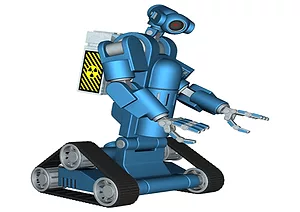
PAL Robotics plans to launch its first large-scale pilot of its motorized RFID-reading robot in Europe during the second half of this year. The newest version of the Spanish company's StockBot will be tested for its ability to read the RFID tags attached to products, while software will identify where those tagged items are located within stores.
Denimwall Inc. has launched a radio frequency identification solution at the G-Star RAW clothing store that it owns and operates in New York City's Union Square, to do everything from tracking inventory, managing sales transactions and providing electronic article surveillance to letting shoppers view product information on a touchscreen.
We're always forecasting - thinking about what will happen, assessing its likelihood, and contemplating the implications. For CFOs, the stakes are especially high when it comes to the difference between accurate and inaccurate forecasts.