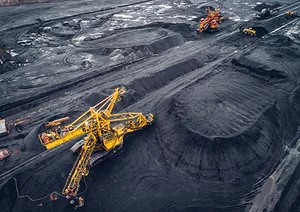
At least three U.S. coal shipments on their way to China may end up casualties of the escalating trade dispute after Beijing said it would impose steep tariffs that may kick in before the ships reach their destinations.
Mark Gath’s farmhouse in Luverne, Minnesota, sits 30 miles down country roads from Sioux Falls, South Dakota. From that base in the heartland, Gath, a sturdy man in boots and a blue shirt, farms more than 10,000 acres of corn and soybeans with the help of his wife, Leah, and sons Dalton and Stetson. Though his farm is larger than average, he feels squeezed by low commodity prices and the rising costs of seeds, pesticides and equipment. “Everyone is scared out here,” he says.
U.S. factory production fell in May by the most since January 2014, weighed down by fewer truck assemblies and still consistent with a steady outlook for manufacturing, new Federal Reserve data shows.
Package delivery company UPS on Tuesday said it will invest $130m to buy 730 compressed natural gas vehicles and build five more domestic CNG fueling stations as the industry moves to shift from petroleum-burning vehicles to those that use less-polluting alternative fuels.
The Trump administration’s China tariffs spared some finished goods like smartphones and washing machines, while charges on parts and components could drive up costs in the U.S. supply chain.
The International Monetary Fund is warning that U.S. President Donald Trump’s new import tariffs threaten to undermine the global trading system, prompt retaliation by other countries and damage the U.S. economy.
Samsung Electronics Co., the world’s biggest smartphone maker, joined on Thursday a growing list of companies that are promising to increase their use of solar and other renewable energy to help curb global warming.
Bottom line: Machine learning makes it possible to discover patterns in supply chain data by relying on algorithms that quickly pinpoint the most influential factors to a supply networks’ success — while constantly learning in the process.