Aircraft parts manufacturers got a rude welcome back to work Monday with the announcement that Boeing is going into business with France’s Safran to make auxiliary power units. It’s one of the more surprising developments yet in Boeing’s drive to shake up its supply chain, which has featured heavy pressure on suppliers to reduce costs, as well as moves to in-source production of such disparate elements as seats, wings and avionics components.
Smart factories that use breakthrough technologies to drive efficiencies within production processes and across value chains have captured the attention of manufacturing executives.
Factory growth in major manufacturing hubs showed signs of cooling last month as companies braced for potential damage from rising global trade tensions while also grappling with accelerating inflation and a strong dollar.
For Europe, the first move was easy. Officials swiftly announced plans to strike back with retaliatory measures against President Trump’s tariffs on steel and aluminum while vowing a legal challenge.
Airbus SE has seen widespread popularity for its newest A350 long-haul aircraft. But only one carrier, Singapore Airlines Ltd., has found the need for an ultra long-range version of the A350 that can fly almost 10,000 miles, from New York City to Southeast Asia—nonstop.
In trucking, hot-button topics like omnichannel distribution, e-commerce, electric vehicles and blockchain often blot the agendas of industry events and association meetings. Yet one topic that remains on the periphery unless we are talking about parts availability could wind up having a profound change to the industry – additive manufacturing.
Sustaining isn’t enough any more. Businesses that have joined the corporate net positive movement seek to put more back into society and the environment than they take out.
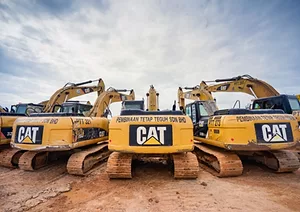
Orders for the mining machines and construction bulldozers made at this sprawling Caterpillar Inc. factory in central Illinois have jumped, in general, three-fold over the past year.
About a hundred years ago, the United States reached “peak horse.” In 1920 some 25 million horses roamed the plains, boulevards, cul-de-sacs, rodeos, stockyards, ports, farms, and dingy alleys of America — toting freight, plowing fields, fighting wars, carrying passengers on buggy rides, and making a complete mess.