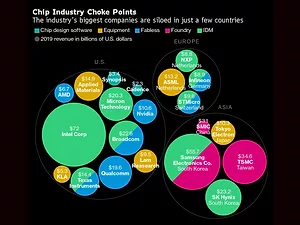
A bipartisan push to make the U.S. more competitive with China and bolster domestic chip production risks falling by the wayside as Congress grapples with a packed year-end agenda in an ever-more-divided Capitol.
With many of the world’s 400,000 merchant mariners still struggling to take time off and go home, seafarer fatigue remains a problem heading into the second holiday season of the pandemic.
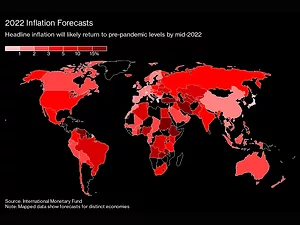
The global economy’s supply crunch is propelling inflation at such a fast pace that central bankers may be forced to respond, even though fixing that imbalance is beyond their power.
Apple Inc. took the most aggressive step yet to strip Intel Corp. chips from its computers, announcing more powerful homegrown Mac processors alongside a total revamp of its MacBook Pro laptop computers.
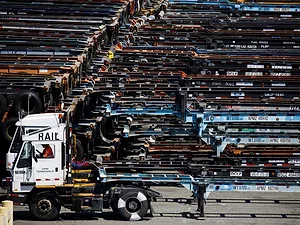
Global ports are growing more gridlocked as the pandemic era’s supply shocks intensify, threatening to spoil the holiday shopping season, erode corporate profits and drive up consumer prices.
U.S. organized labor is having a moment after decades of erosion in both influence and power, giving workers their best chance in recent memory to claw back lost ground.
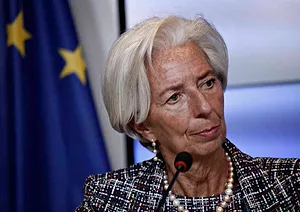
European Central Bank President Christine Lagarde warned that the globalized nature of the euro area’s economy makes it highly vulnerable to systemic shocks from supply chain disruptions.
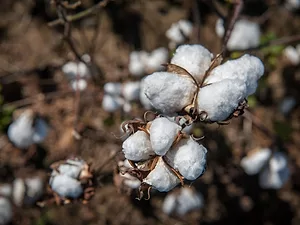
When a fashion industry sustainability group called out China over its treatment of Uyghur Muslims, the idea was to nudge Beijing toward human-rights reforms while cleaning up a troubled corner of the $60 billion global cotton business. Western brands have learned the hard way that things don’t work that way in China.
Commitments from shippers and cargo owners to move toward around-the-clock unloading at the docks in Los Angeles are a first step to addressing a national supply chain backlog.
President Biden wants to break a logjam at U.S. ports and stave off a holiday season of shortages and delays — bottlenecks that officials and stakeholders say extend far beyond the reach of the White House.