Global supply chains are nearing a turning point that’s set to help determine whether logistics headwinds abate soon or keep restraining the global economy and prop up inflation well into 2022, according to several new barometers.
President Biden’s sweeping infrastructure law was supposed to ease problems for the trucking industry and relieve supply chain woes, but the law overlooked a vital necessity for truckers: Parking.
As of mid-December, 61.4% of Americans were fully vaccinated against COVID-19 — a rate that disease experts say is inadequate to eradicate the virus. But it’s far better than the shockingly low numbers of some developing countries, where vaccination rates are still in the single digits.
Robyn Anderson, attorney in the insurance and recovery practice of Lathrop GPM, and Rick Bridges, vice president and account executive for supply chain and logistics with Lockton Companies, discuss how recent events have awakened companies to the need for business interruption insurance.
If you’ve attempted to purchase an at-home COVID-19 test recently, you may have walked away from the store empty-handed. There’s been a nationwide shortage of at-home tests that hit at nearly the same time as the Omicron variant began to peak in almost every state.
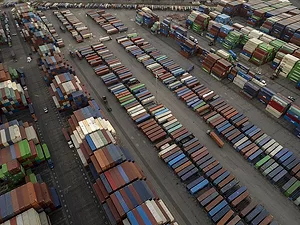
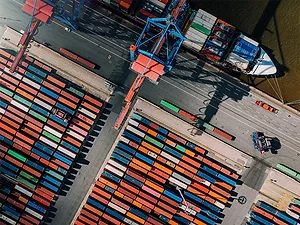
The Port of Los Angeles moved record cargo volumes last year amid an import surge at the U.S.’s biggest container gateway and supply chain snarls brought on by the pandemic.
As supply chain challenges continue to disrupt the global transportation network, container shipping companies need to adapt to equipment shortages and delays by transforming their operations.
From erecting cardboard cutouts designed to obscure produce shortages to jettisoning their usual discounts and promotions, grocers have turned to a range of solutions to get themselves through the global supply chain crisis.