
Amazon Price-Gouging Crackdown Worsened Shortage of Sanitizer, Wipes
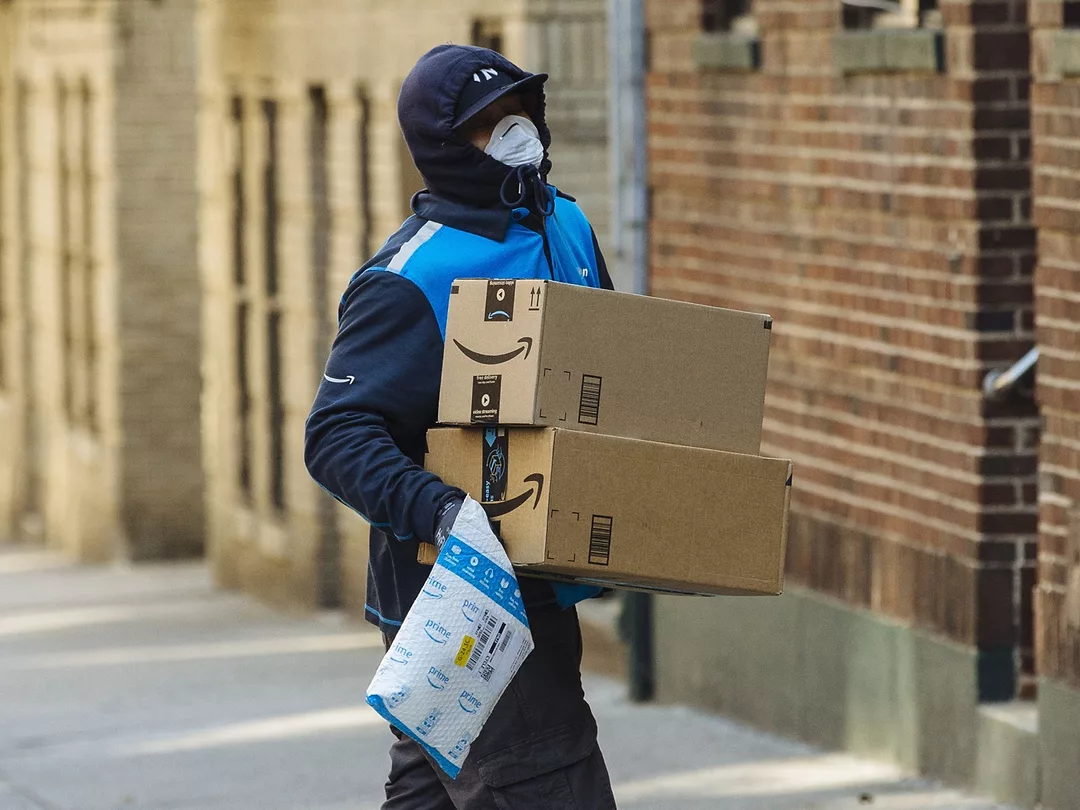
When Americans couldn’t find hand sanitizer, toilet paper and disinfecting wipes on Amazon.com Inc., many assumed the products had run out thanks to surging demand from home-bound shoppers. In fact, in some cases the products were available, but merchants had pulled them to avoid getting caught up in Amazon’s price-gouging crackdown — even though they weren’t raising prices.
Amazon began issuing vague warnings about price policy violations in March that extended through April, threatening to kick merchants off the site. The automated warnings followed glaring headlines about greedy opportunists, like the merchant trying to sell a two-pack of Purell hand sanitizer for $400. But Amazon’s warnings didn’t specify prices the company deemed fair. That left merchants playing a guessing game as they tried to determine if they could sell the items and still make a profit after accounting for their own costs, shipping and Amazon’s commission, which typically runs about 15%.
Merchants had access to these products and knew Amazon shoppers wanted them, but they deliberately pulled them because the rules about selling them weren’t clear and the consequences for violations could be devastating. In a heavily automated system with little contact between merchants and Amazon employees, it can take weeks or months to reinstate suspended accounts. As a result, merchants do whatever they can to avoid being exiled — even if it means forfeiting sales of popular products. All of this was happening at a time when Amazon was prioritizing essential household items, such as cleaning supplies.
It’s unclear how many merchants yanked their products and how much doing so exacerbated shortages that were also fueled by supply-chain disruptions. But consultants who help merchants avoid suspensions say they were inundated with calls from clients during the price-gouging crackdown. One of them, a former Amazonian named Chris McCabe, says he heard from hundreds of merchants and advised dozens of them to stop selling products because the rules were unclear. “Amazon just did a giant sweep and they really scared a lot of people away from selling wipes and toilet paper,” he says.
Amazon, through a spokeswoman, said the company’s policies have always prohibited price gouging.
“Our objective is to protect customers from clearly egregious price increases,” she said. “If a seller believes we’ve made an error, we encourage them to reach out to us directly and we will investigate the matter.”
The COVID-19 outbreak roiled Amazon’s online marketplace, where millions of merchants sell hundreds of millions of products. Amazon differs from major retailers like Walmart Inc. and Target Corp. that buy most of their inventory wholesale and then sell it in their stores at a markup. Most of the products sold on Amazon come from independent merchants who set their own prices. In ordinary circumstances, the marketplace uses technology to efficiently match supply and demand. Amazon releases data about the products customers are looking for on the site, which signals the merchants what’s in demand.
The pandemic prompted governors around the country to declare states of emergency — which in many cases triggered price-gouging laws enacted to protect consumers from price spikes following disasters. But precisely what constitutes price gouging and which products are protected varies from state to state. It's a difficult phenomenon for Amazon to manage since the marketplace can match buyers and sellers from different states.
While the company uses complex algorithms to monitor prices, whether or not a merchant is in violation depends on where the customer lives. Some states set specific thresholds for price gouging, such as 10% above typical prices. Other states define it vaguely with words like “unconscionable.” Amazon merchants offer the same prices nationally and don’t know in advance where their customers live. All of this makes it difficult for Amazon to manage with clear rules, making merchants suspect the company got too aggressive in trying to prevent price-gouging violations with algorithms.
Amazon has weathered price-gouging complaints in the aftermath of hurricanes and other natural disasters where the state of emergency is limited geographically. The coronavirus outbreak swept the entire nation and has lasted for months, so price-gouging concerns took on greater prominence. Several lawmakers proposed federal legislation to prevent it, and Amazon in May also advocated for a federal solution, highlighting the difficulties of addressing the phenomenon on its own despite having a team devoted to watching for price gouging and technology designed to spot it on its web store.
“The disparate standards among states present a significant challenge for retailers working to assist law enforcement, protect consumers, and comply with the law,” Brian Huseman, a former Federal Trade Commission attorney who now oversees Amazon's public policy team in Washington, D.C., wrote in a May blog post supporting federal legislation.
Amazon is eager to be seen by regulators as an ally in fighting price gouging, not a perpetrator. The company says it removed more than 500,000 offers from its site and suspended 6,000 accounts for violating price policies since the pandemic started. The company has been cooperating with attorneys general in several states by sharing information about sellers accused of improperly jacking up prices.
Who is responsible for price-gouging violations has already become a new area of dispute between Amazon and its merchant partners, which have also sparred over who bears responsibility for policing counterfeits on the marketplace or collecting sales taxes. The Online Merchants Guild, an industry group representing e-commerce sellers, in May filed a lawsuit seeking to prevent Kentucky Attorney General Daniel Cameron from imposing state price control laws on Amazon merchants. Instead, the attorney general should enforce the laws against Amazon, the lawsuit states.
In the meantime, merchants say the fact that they received automated warnings despite not raising prices shows that Amazon’s crackdown went too far. One merchant who has been selling products on the site for six years says she eliminated about 100 items, including hand sanitizer and toilet paper, after receiving warnings in March about price gouging. The merchant, who gets the inventory from the same manufacturers and distributors that supply pharmacies and supermarkets, says she hadn’t raised prices at all on most of the products in 2020.
Another long-time Amazon merchant who has been selling office supplies on the site, including hand sanitizer and cleaning products, says he received two email warnings in March about potential price violations that didn’t even specify which of the thousands of products he sells were in question. He spoke with a representative in Amazon’s seller support department who identified several products raising alarms, including plastic food containers, toilet paper and a body wipe. The rep wouldn't say how much the merchant would be allowed to charge, so he stopped selling products likely to trigger a violation.
Even Amazon merchants who raised prices significantly during the pandemic can show regulators that the hikes were not exploitative, says CJ Rosenbaum, a New York attorney who represents Amazon merchants. Many Amazon sellers use software to set prices, which automatically shoot up when inventory is low. This is done to protect merchants’ reputation on Amazon, which uses algorithms to monitor their performance and punishes them for running out of stock. That software can also add extra shipping costs, which some state price-gouging laws allow. Still, the cost of hiring lawyers to fend off regulators and the risk of losing an Amazon business isn’t worth it for many merchants to sell the products Amazon started aggressively monitoring, Rosenbaum says.
“There was no clarity on what pricing was fair,” he says, adding that dozens of his clients deliberately avoided certain in-demand products to avoid suspensions. “Amazon treated sellers very poorly.”
Popular Stories





100 Great Supply Chain Partners 2026: The Secret to Supply Chain Success
VIEW THE LATEST ISSUECase Studies


Visit Our Sponsors |
|
|
|
|
|
|
|
|
|
|
|
|
|
|
|
|
|
|
|
|
|
|
|
|
|
|
|
|
|
|
|
|
|
|
|
|
|
|
|
|
|
|
|
|
|
|
|
|
|
|
|