RSS
RSS

Few could have predicted the severity of the problem. Who would have guessed that marine terminal operators and the International Longshore and Warehouse Union would still be negotiating five months after expiration of their previous contract? Or that a number of other glitches would collide to create unprecedented congestion on the docks?
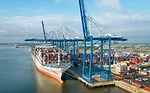
Start with a dockworker slowdown that might be calculated to force a management lockout like the one that brought West Coast port operations to a halt in 2002. Now throw in the impact of larger containerships, which spew out huge numbers of boxes at marine terminals at a time; confusion and equipment shortfalls caused by the decision of most ocean carriers to stop providing chassis; a chronic shortage of qualified truck drivers; a dispute over how drayage truckers are classified; intermodal rail capacity issues caused by a surge in oil, natural gas and coal production; and the usual seasonal peak of import container volumes from Asia. It’s no wonder that the flow of boxes at major West Coast terminals has come to a virtual halt.
Still, many of those individual problems were foreseen by astute shippers. The issues are hardly new. The expiration of a longshore labor contract, for example, is a completely predictable event. “If you were caught off guard, shame on you,” says Mike Mulqueen, senior director of product management with supply-chain software vendor Manhattan Associates.
Many importers had already shifted at least a portion of their trans-Pacific shipments to ports on the U.S. East Coast. Their options were to move containers westward from Asia through the Suez Canal, or eastward through the Panama Canal. Or they might bring goods into the West Coast earlier than usual, to get ahead of any disruption caused by the ILWU contract talks.
Each of those strategies has its disadvantages. The Suez route adds transit time; the Panama Canal is limited as to the size of ships it can accommodate, and the early-arrival scheme adds inventory storage cost in the U.S. But all are better outcomes than having goods stuck on the docks at the time of year when retailers need them most.
Probability is a strange animal. The likelihood of any particular event occurring is relatively small, but that of something going wrong is alarmingly high. For supply-chain planners, the trick lies in designing a system that can respond to any number of disruptions, without getting overly specific about which will occur. Of course, when everything goes wrong at once – as it appears to have happened at West Coast ports – companies are bound to feel the pain to some degree.
Beyond rerouting cargo on a case-by-case basis, there are steps that companies can take to fortify their supply chains in a more considered manner. The elimination of single sourcing, as far as possible, is an obvious move. Even more common than blockage at a domestic port is some kind of disruption at origin. When just one supplier is providing a key component or finished product, the buyer is asking for trouble. Spread the sourcing around, even if that means assigning less business to a “B” supplier. At least it will have an immediate option when the main producer goes down.
Distribution network redundancy is equally important, says Mulqueen. Issues of cost, convenience and infrastructure often dictate the use of West Coast ports for bringing in product from Asia. But a significant portion of import volumes should be assigned to additional gateways, and not just every time that a longshore labor contract comes up for renewal.
By the same token, don’t put all your containers on one ship. (To be sure, that’s a more difficult goal to achieve these days, with so many major lines sharing space on the same vessels.) The dispersion of shipping patterns might well generate additional overhead up front, says Mulqueen, but “resiliency costs money.” In any case, the additional outlay is likely to be dwarfed by the cost of reacting to a natural disaster or other type of disruption in the absence of a built-in alternative.
Additional methods of risk mitigation are available within the financial supply chain. Smart carriers are apt to protect themselves against rising fuel costs through the making of forward purchases. That’s a major reason for the recent success of Southwest Airlines, Mulqueen points out. It managed to lock in costs at a time when fuel prices were soaring. Of course, the strategy can backfire if prices decline during the life of the contract, but more often than not the carrier in question has made the right decision. “You’re creating an insurance policy,” Mulqueen says.
When it comes to assuring the availability of product during a crisis, having enough safety stock on hand can be a key success factor. Inventory isn’t always evil, and the manufacturer or distributor that can keep shelves stocked during a supply disruption is going to beat the competition. Even the best-run supply chains are subject to a high degree of variability. That’s a lesson that many companies learned when they rushed to outsource production to China and other low-cost regions of Asia. The farther one places the source of production, the closer it must position finished goods.
It’s not just about loading up centralized warehouses with product. Smart companies today are making creative decisions about where they store their goods prior to final shipment. Often that means maintaining a series of smaller, regional distribution centers close to major markets. In the process, suppliers end up saving significant amounts of money on fuel.
There’s no perfect balance to be struck between the savings to be derived from the use of cheap sourcing and transportation networks, and the risks that comes from failing to diversify supply strategies. But the latest mess at West Coast ports provides a powerful lesson for supply chains that fail to take a multifaceted approach. Says Mulqueen: “Understanding the implications of a lack of resiliency is an area of improvement for a lot of organizations today.”
Next: Risk management in high-tech.