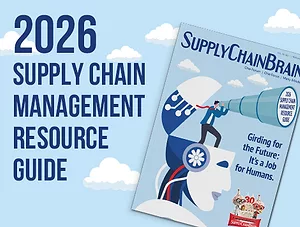
Our Publications
Please select a publication below.
Supply Chain Brain Magazine
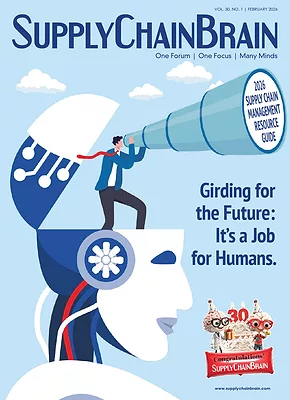
2026 Resource Guide -- Girding for the Future: It's a Job for Humans
Volume: 30
Edition: 1
Featured
Back to Top




Case Studies
Back to Top
Analyst Reports
Back to Top
SUPPLY CHAIN PLANNING & OPTIMIZATION
Supply Chain Orchestration Enables Better Technology Utilization
Read More



SUPPLY CHAIN SECURITY & RISK MANAGEMENT
The Three Layers of Supply Chain Security That No One Wants to Talk About
Read More

REGULATION AND COMPLIANCE
How New Tariff Rules and Customs Fees Are Rewriting Cross-Border E-Commerce Costs
Read More



GLOBAL SUPPLY CHAIN MANAGEMENT
Adding Intelligence to Global Supply Chains to Overcome Tariff Turbulence
Read More




CONSUMER PACKAGED GOODS
Optimizing Yard Operations to Maximize CPG Supply Chain Performance
Read More


EDUCATION & PROFESSIONAL DEVELOPMENT
Reimagining Planner Competencies for Strategic Impact
Read More

SC SECURITY & RISK MANAGEMENT
Trust: The Catalyst for Supply Chain Excellence and Risk Mitigation
Read More






SC SECURITY & RISK MANAGEMENT
Three Hidden Risk Signals That Will Shape Supply Chain Security in 2026
Read More






EDUCATION & PROFESSIONAL DEVELOPMENT
Will AI Eliminate the Need to Teach SCM to Students and Supply Chain Professionals?
Read More




SC FINANCE & REVENUE MANAGEMENT
Payment Transparency in Your Supply Chains Is as Critical as Ever
Read More





INDUSTRIAL MANUFACTURING
Resurging American Manufacturing Brings Both Opportunities and Challenges
Read More

SUSTAINABILITY & CORPORATE SOCIAL RESPONSIBILITY
ROI Keeps Decarbonization Initiatives Moving in 2026
Read More


BUSINESS STRATEGY ALIGNMENT
Why Business Leaders Should Approach Strategy Like Personal Investing
Read More



SUPPLY CHAIN PLANNING & OPTIMIZATION
How AI Recalibrates S&OP Into Daily Decisions That Deliver
Read More


SUPPLY CHAIN PLANNING & OPTIMIZATION
The Missing Orchestration Link Between Planning and Performance
Read More
GLOBAL SUPPLY CHAIN MANAGEMENT
Why the Smart Money Is Flowing to Intelligent Adaptability in 2026
Read More



ERP & ENTERPRISE SYSTEMS
Improve ERP With Better Data: The Foundation for AI-Powered Supply Chains
Read More
ARTIFICIAL INTELLIGENCE
Why Human–AI Interaction Still Defines Successful Digital Transformation
Read More






SUSTAINABILITY & CORPORATE SOCIAL RESPONSIBILITY
The Role of 3PLs in Driving Alternative Fuel Use Across the Supply Chain
Read More



ERP & ENTERPRISE SYSTEMS
Are Organizations Smart Enough to Adopt ‘Intelligent’ ERP Systems?
Read More


SUSTAINABILITY & CORPORATE SOCIAL RESPONSIBILITY
Rethinking Supply Chains for Extended Producer Responsibility
Read More


SUPPLY CHAIN SECURITY & RISK MANAGEMENT
In the Pen-Stroke Era, Diagnosing Supply Chain Risk at Speed
Read More


SUSTAINABILITY & CORPORATE SOCIAL RESPONSIBILITY
How Logistics Providers Can Lead on Sustainability
Read More












SUPPLY CHAIN PLANNING & OPTIMIZATION
Building an Adaptive Planning and Optimization Strategy in Turbulent Times
Read More


GLOBAL SUPPLY CHAIN MANAGEMENT
Why Supply Chain Strategic Alignment Is a Necessity for Business Health
Read More







REGULATION & COMPLIANCE
How to Structure Your Trade Compliance Under CBP's Expanded Enforcement
Read More
GLOBAL SUPPLY CHAIN MANAGEMENT
Maintaining Supply Chain Resilience and Sustainability in the Trump Era
Read More


GLOBAL SUPPLY CHAIN MANAGEMENT
Getting Ahead of Global Supply Chain Management in an Age of Unpredictability
Read More



SC SECURITY & RISK MANAGEMENT
Three Predictions for Supply Chain Security and Third-Party Risk in 2026
Read More

PHARMACEUTICAL & BIOTECH
Automating Revenue Recognition: Biopharma's Order-to-Cash Challenge
Read More

SC PLANNING & OPTIMIZATION
Reimagining CPG Planning Through Touchless and Autonomous Supply Chains
Read MoreExecutive Opinion
Back to Top
Special Reports
Back to Top


Featured Product
Popular Stories






100 Great Supply Chain Partners 2026: The Secret to Supply Chain Success
VIEW THE LATEST ISSUECase Studies


Visit Our Sponsors |
|
|
|
|
|
|
|
|
|
|
|
|
|
|
|
|
|
|
|
|
|
|
|
|
|
|
|
|
|
|
|
|
|
|
|
|
|
|
|
|
|
|
|
|
|
|
|
|
|
|
|